
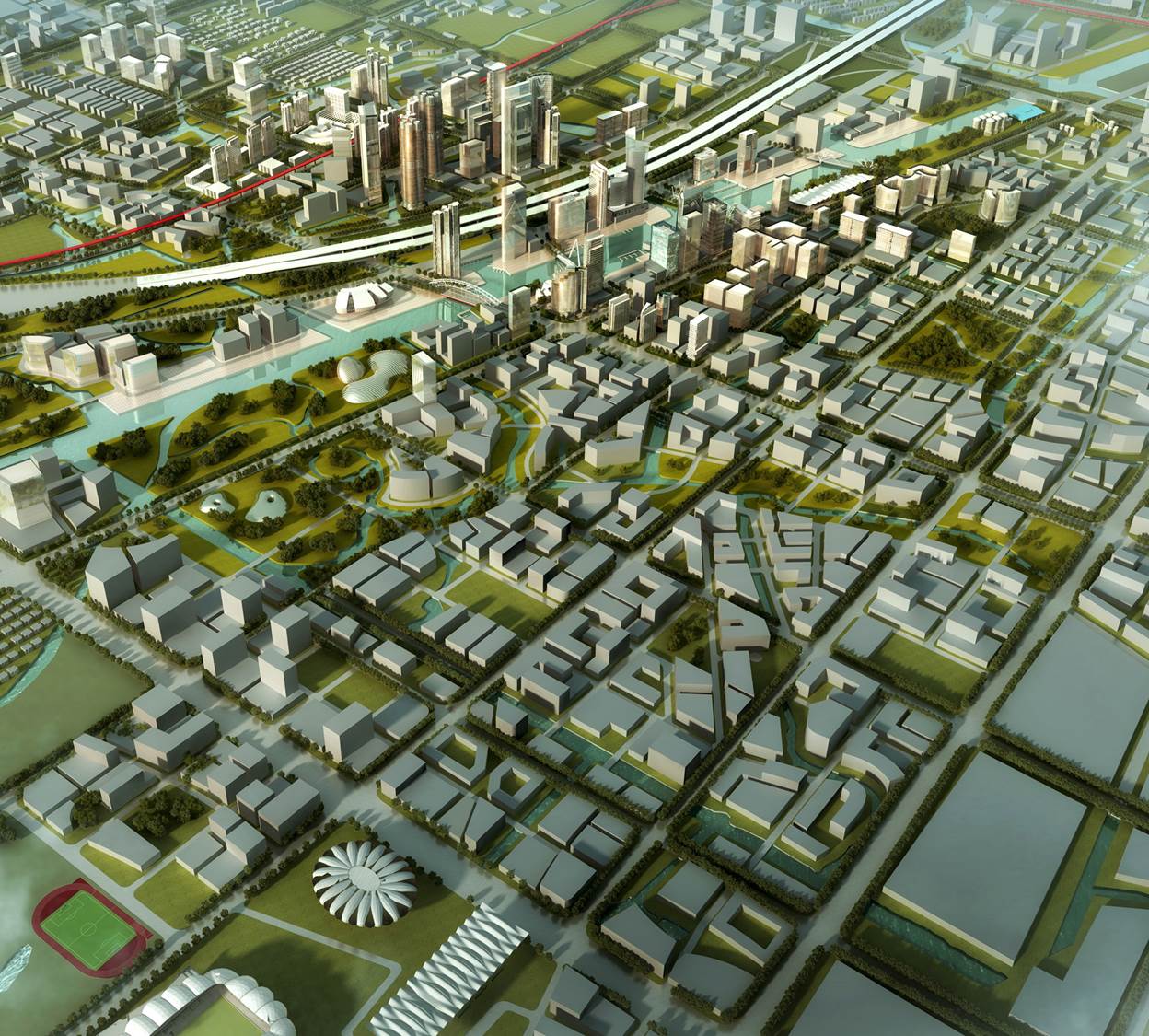
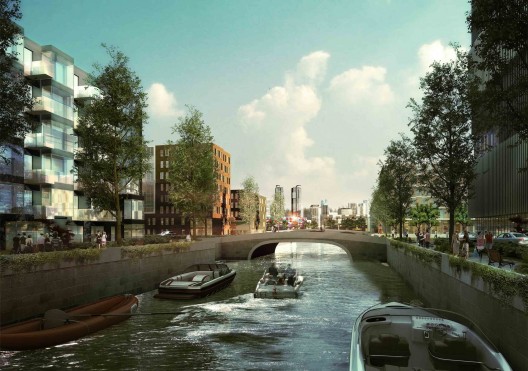
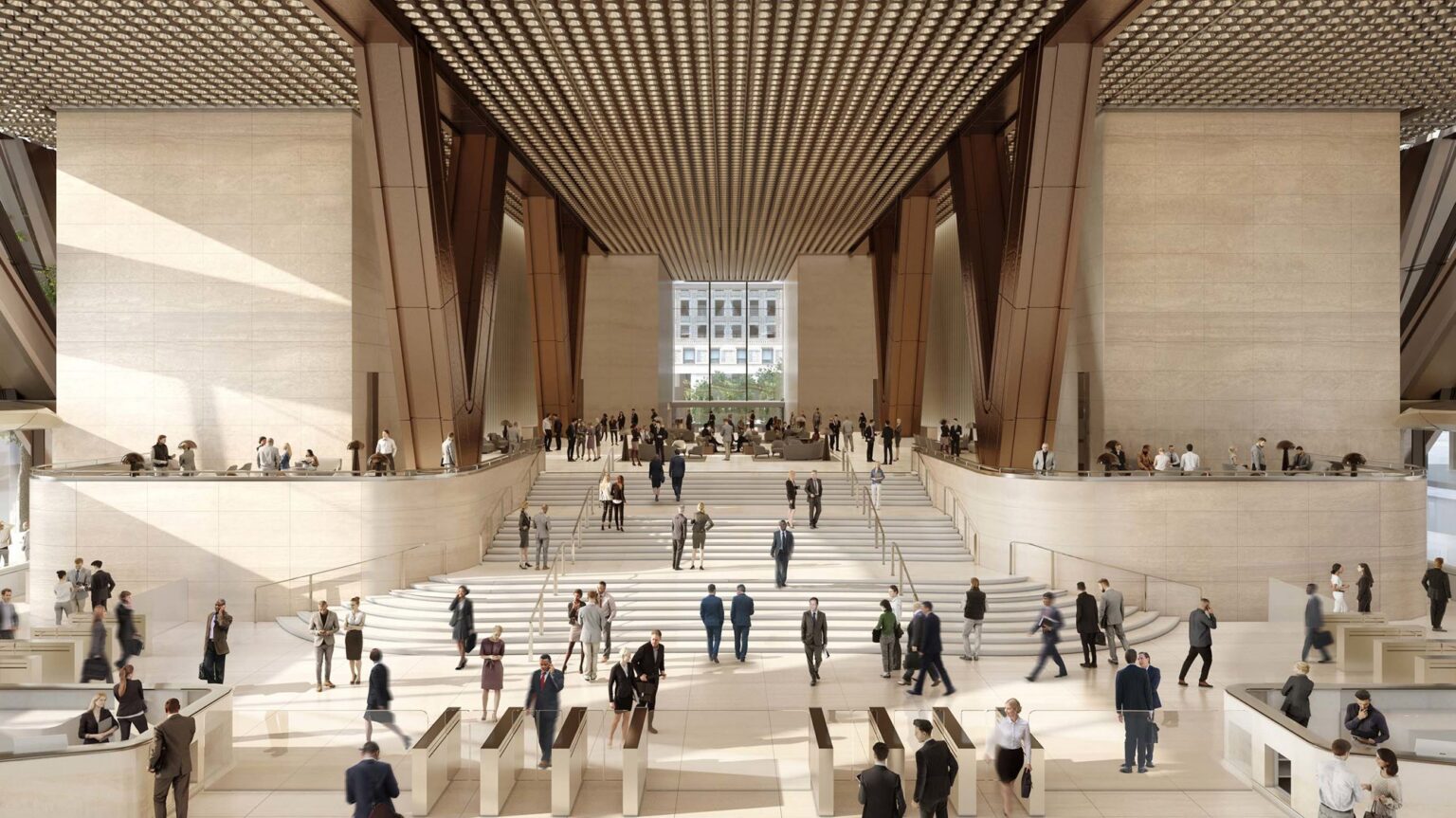
The world of professional practice is siloed between people who focus on individual systems, individual activities and individual outcomes – working at different scales.
As a result, advice is fragmented and can be contradictory. The combined effects of multiple inputs are unmeasured and decisions become fraught with risk.
The loudest voice or the most glamorous CGI is often the winner.
At Space Syntax we apply spatial intelligence to integrate across scales and across silos. Our science-based, human-focused approach leverages proven digital tools to connect what professional practice has separated. We help our clients make important decisions that have real and radical impacts on people’s lives.
Our spatial connectivity tools make this integration possible. Validated over 35 years of practice, they organise and interrogate datasets to explain how places work today.
In partnership with our expertise, these tools inspire ideas for physical and spatial change. Our targeted insights communicate clearly to all involved.
At every scale, the Space Syntax approach turns complex, multi-dimensional challenges into clear, measurable strategies that all stakeholders can understand, debate and implement.
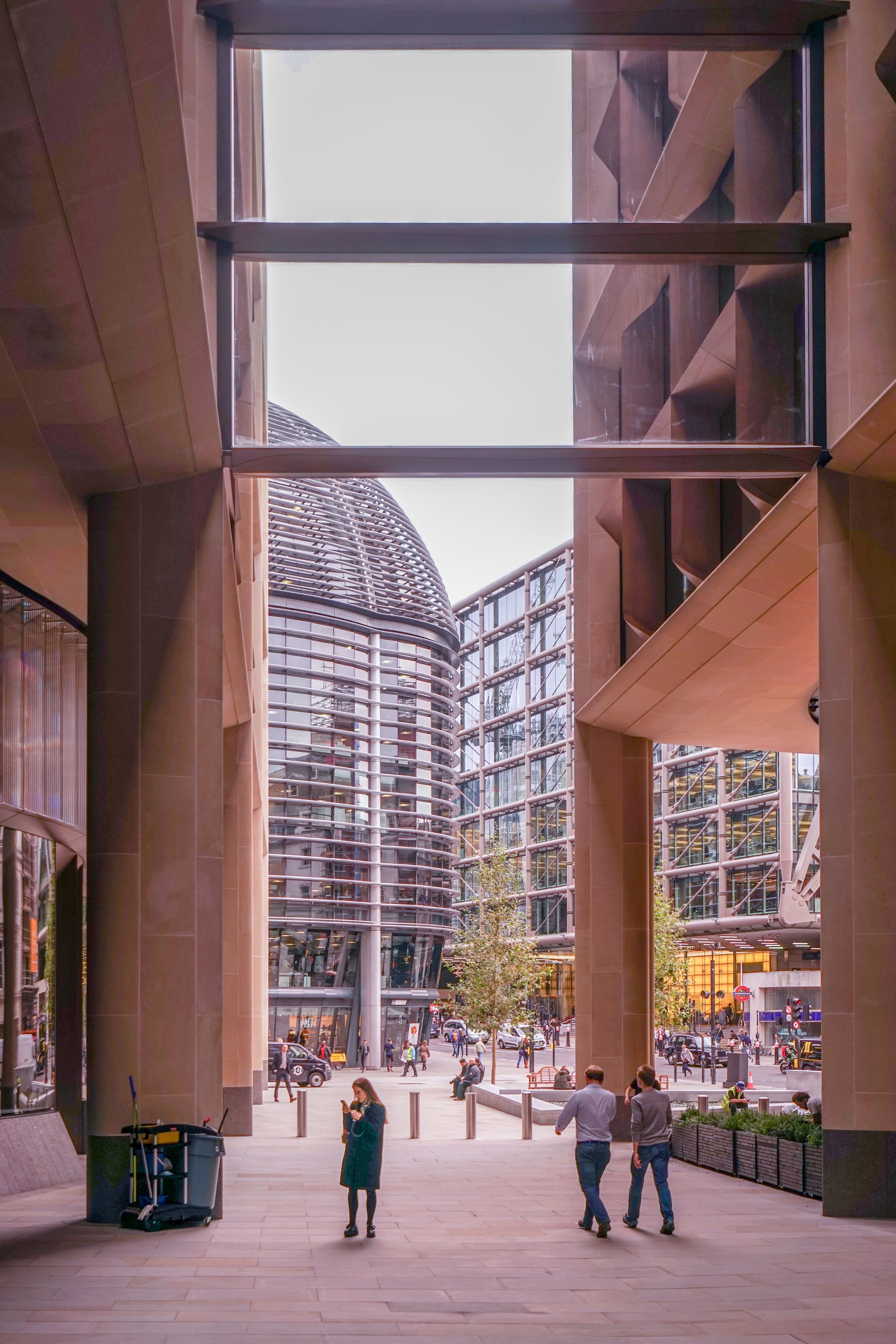
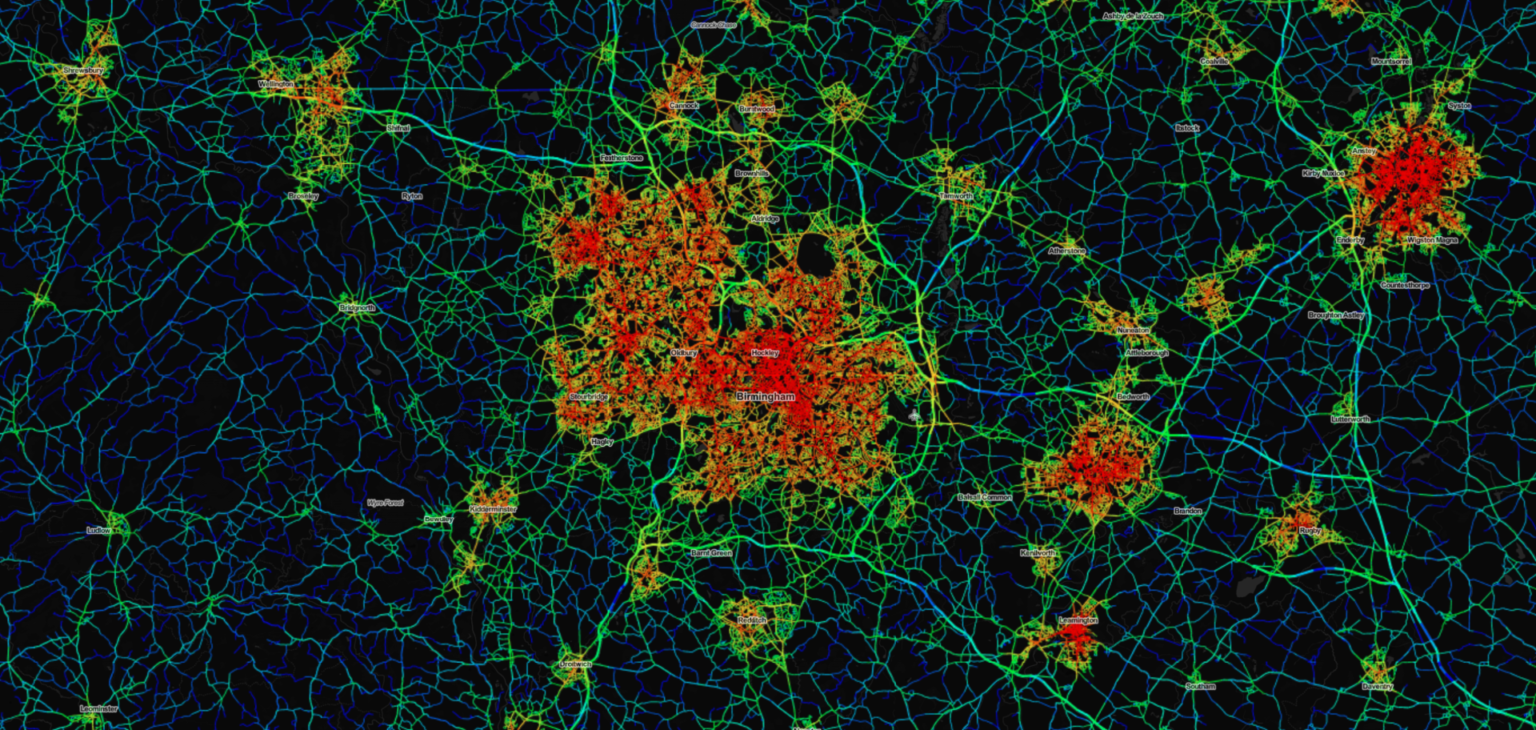
How do location & spatial connectivity affect current patterns of mobility & transport carbon?
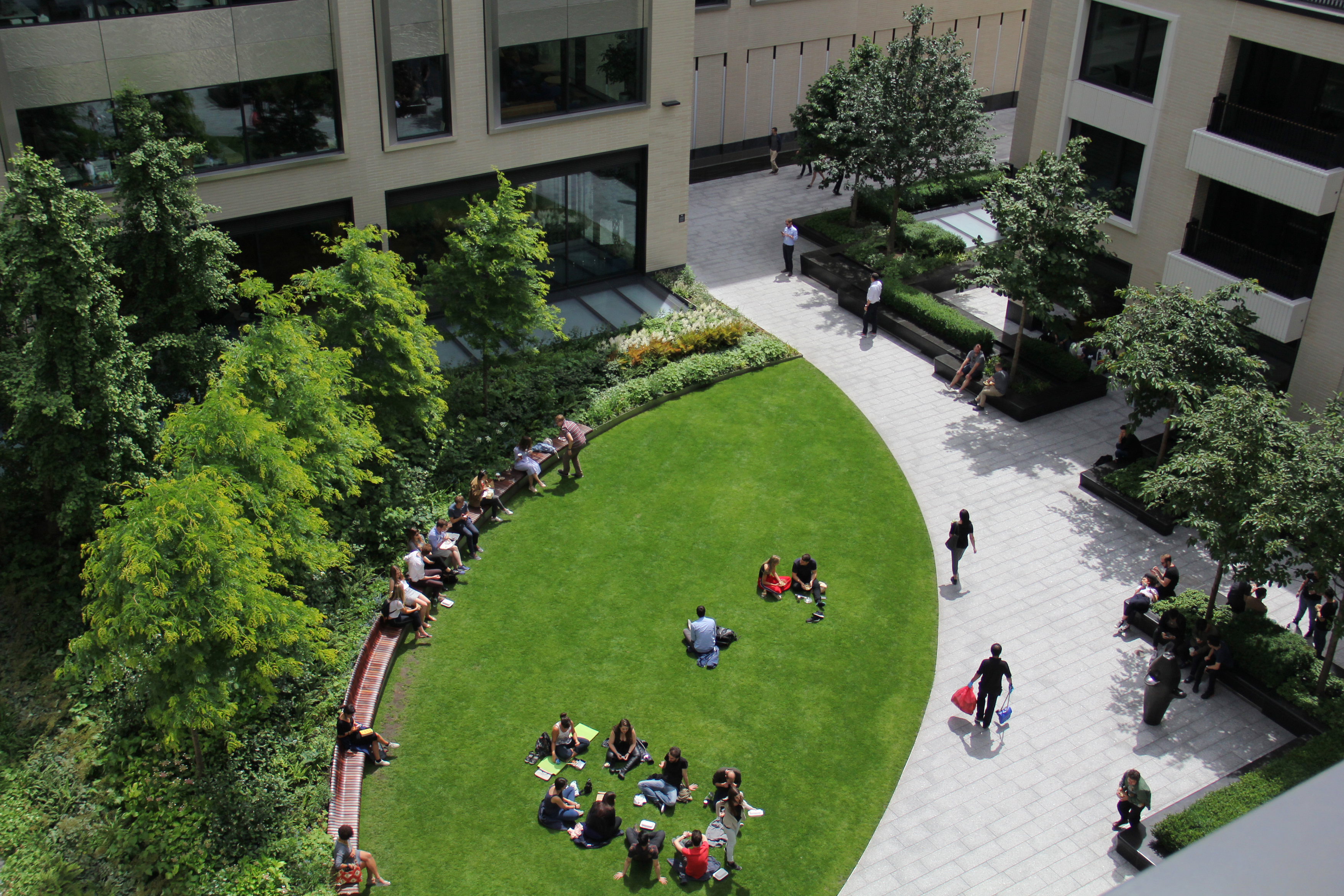
How are current patterns of movement & space use affected by spatial connections & land use attractions?
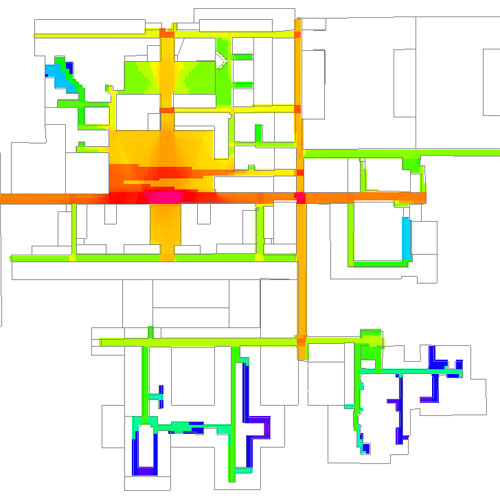
How is existing user behaviour affected by spatial layout & functional programming?
Our spatial intelligence adds value to projects in three key ways: revealing unseen opportunities and creating better ideas, measuring and improving the likelihood of success, and facilitating communication on project teams and with stakeholders.
Revealing opportunities and providing a foundation for better ideas is the key strength of the Space Syntax approach. Our reputation is based on a highly creative use of technology to identify the essential design features of urban and building design projects. These are typically aspects of the location, linkage, layout, land use and landscaping of projects that influence human activity and, in doing so, drive the social, economic and environmental performance of places. By carefully recording and systematically analysing how buildings and urban places work we generate insights that unlock problems and inspire designs.
The Space Syntax approach is built on a set of science-based methods that forecast whether proposed policies, strategies, plans, and designs will work to create the social, economic and environmental benefits that they are expected to. We give stakeholders and decision-makers reassurance when a design is developing in a favourable way, or we alert them when it is in danger of going off track and they need to act.
In the latter case, our approach helps to reduce or mitigate the risk of functional failure. In every case, the Space Syntax approach aims to boost ‘returns’ of many sorts: land value, rental income from, for example, enhanced footfall in retail areas, safety in streets and buildings, and increased interaction between people in buildings.
Our evidence-based approach quantifies key performance characteristics of buildings and urban places. Our methods forecast future outcomes, allowing planning and design strategies to be optimised towards desired goals.
Finally, we speak a common language of spatial planning and human performance design that bridges across disciplinary boundaries. We translate the objectives of planners, designers, transport engineers, economists, developers, investors and members of the public in such a way that they can be understood by all and organised into meaningful, practical frameworks for action.
The spatial layout of buildings and urban places exert a powerful influence on human behaviour. The way that people move, interact and transact is directly influenced by how they connect as networks of space.
Space connects or segregates; brings people into social and economic relationships or keeps them apart; helps people save time or consigns them to carbon-intensive lifestyles; enhances real estate value or damages investments; increases safety or encourages criminal behaviour. Well designed spatial layouts produce safe and vibrant places and, in doing so, create enormous levels of social, economic and environmental capital. Poor layouts risk functional failure, loss of investment and social harm. The urban landscape is littered with failed development, much of it caused by misunderstanding how spatial layout affects human performance.
Space Syntax provides a science-based and human-focused approach to the urban planning and design process. We help people to see, in clear and straightforward terms, how buildings and urban places can be designed to optimise their functional performance.
Our unique contribution is in the discovery of fundamental links between spatial layout decisions and the social, economic and environmental performance of places. The Space Syntax approach provides insights that demonstrate how spatial layout directly affects:
Space Syntax works to de-risk property investment decisions, showing how the spatial layout of places can be optimised to enhance the social, economic and environmental value of developments.
Using a highly graphic, data-rich and audience-engaging set of techniques, we help our clients achieve powerful results quickly.
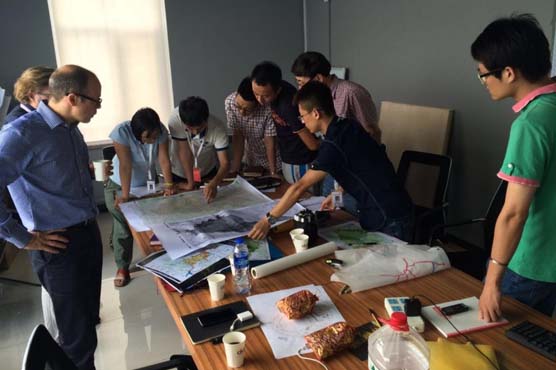
Working with public, private and community organisations, we apply a range of science-based, digital modelling tools to the process of architectural design and urban planning, taking a principled, human-focused approach.
From strategic spatial models that provide a rapid, robust picture of mobility and location hierarchy, to micro-simulations and Integrated Urban Models that use AI techniques to explore social, economic and environmental datasets, our objective is always the creation of thriving life in buildings and urban places. In doing so, we help people see, in clear and straightforward terms, how space can be designed to optimise its human and natural performance.
Through a longitudinal programme of internal research and international academic collaboration, we continuously develop our digital technologies and design methods. This process of incremental improvement is peer reviewed, published and presented at significant academic events. We have found that the live-testing of new ideas is an accelerator of innovation.
In parallel with project-based applications, we disseminate the Space Syntax Approach through multiple free and paid-for channels. We provide training that is tailored to client needs, ranging from short CPD sessions to multi-year programmes. Our goal is to embed the Space Syntax Approach in urban planning and design practice.