Natural History Museum
Year
2013
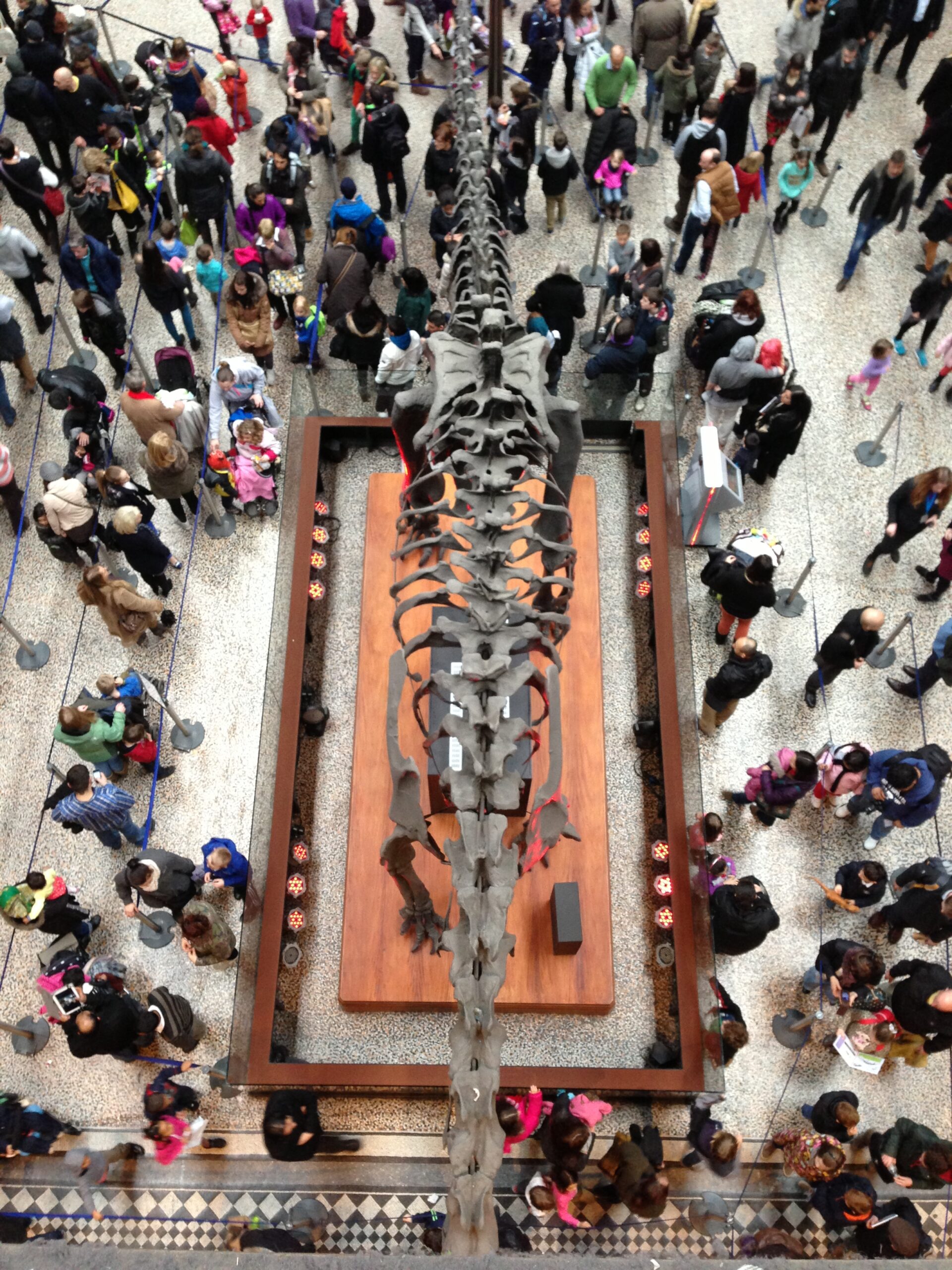
The Natural History Museum is a world-class visitor attraction and a leading science research centre. In 2013, the Museum attracted over 5 million visitors, and this figure was targeted to increase significantly in future years.
Space Syntax was commissioned to create a Visitor Circulation Strategy that would not only accommodate the anticipated growth but also address issues of overcrowding in some parts of the building and underuse in others. In doing so, the strategy needed to recognise the historic sensitivity of the Museum’s built fabric.
Creation of the Visitor Circulation Strategy followed a two-stage, evidence-based approach:
Building Baseline Study
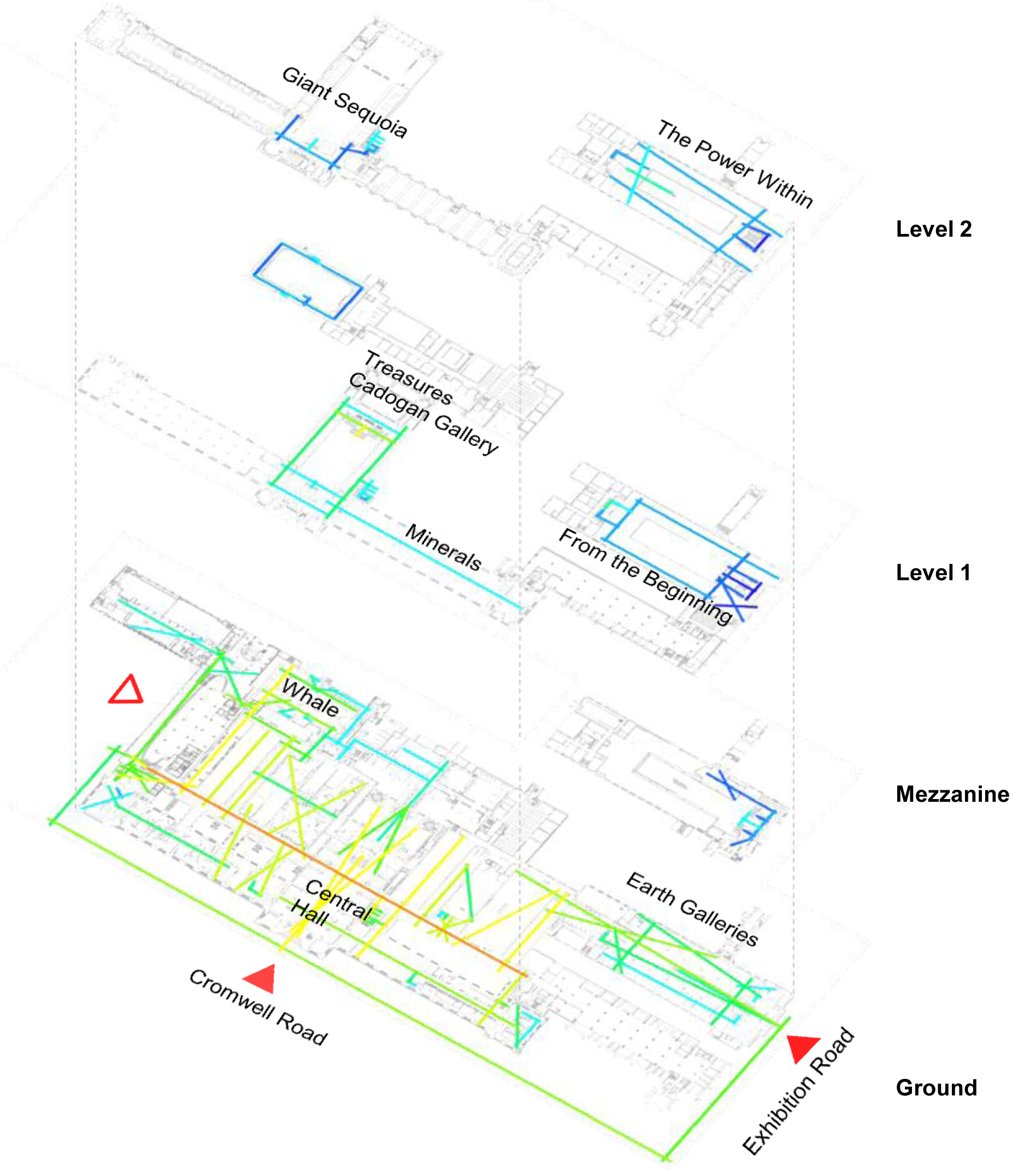
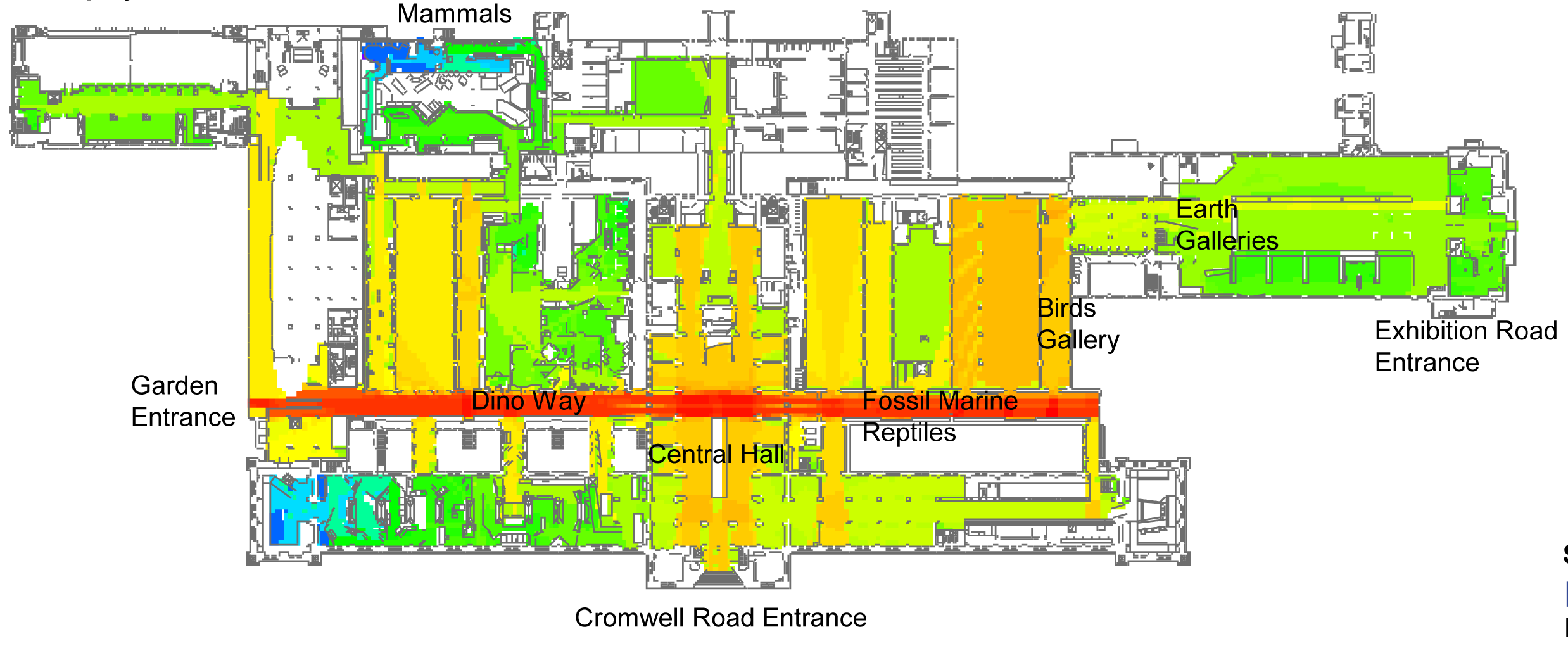
We undertook a survey of visitor movement patterns and used this, in combination with spatial layout modelling, to construct a Visitor Circulation Model of the building. We worked with a specialist sub-consultant to study the building’s historic construction. By combining the analysis, we established a schedule of Opportunities and Constraints to guide future change.
Spatial layout design advice
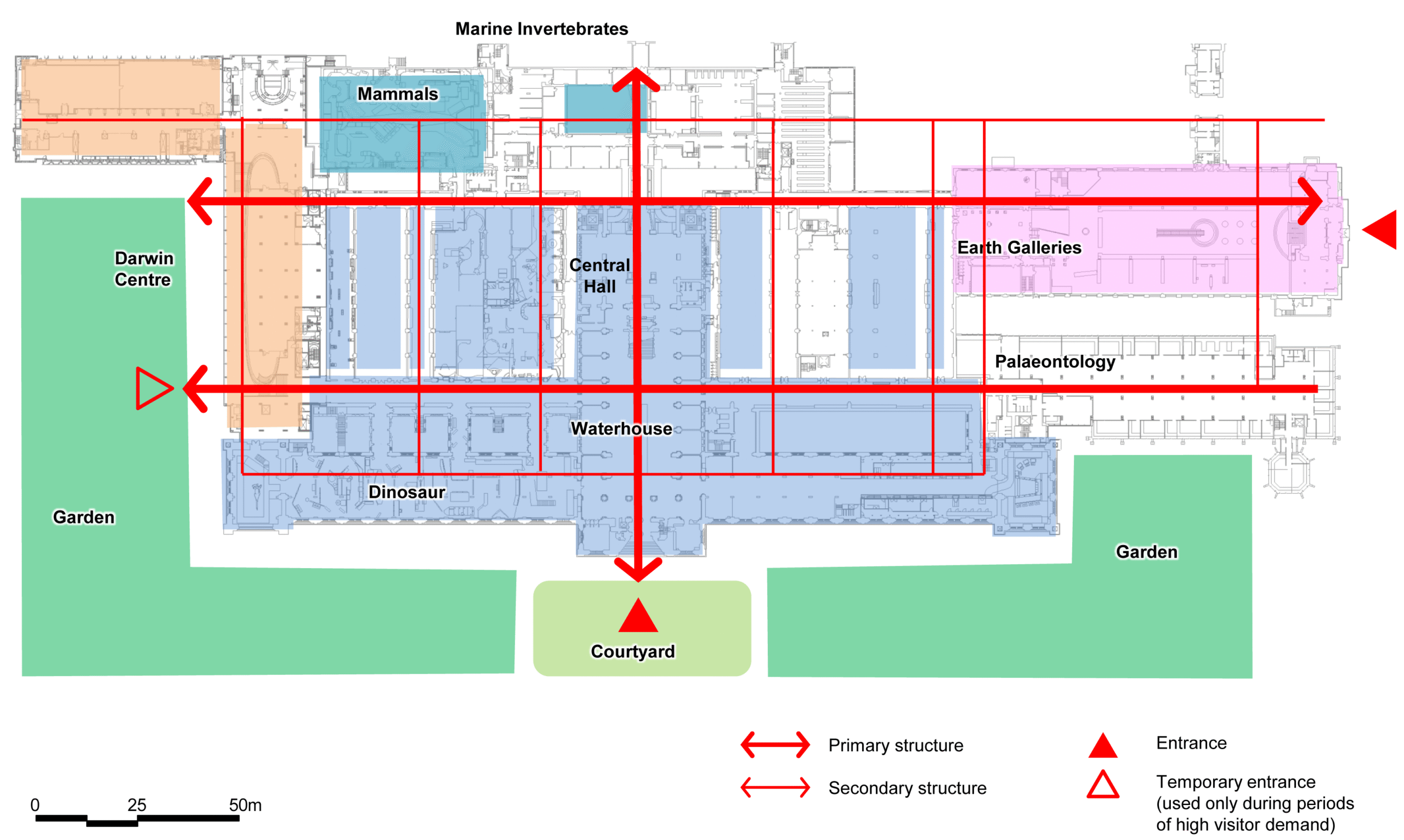
Informed by the baseline studies, we developed a series of targeted interventions aimed at simplifying the overall building layout. Together, these created a Visitor Circulation Strategy for the Museum that was tested and optimised in the Visitor Circulation Model, all in close collaboration with the Museum.
Many of Space Syntax’s recommendations were subsequently implemented, creating a more connected and accessible experience for all. In 2026, the Natural History Museum announced annual visitor figures of 7.1 million, making it the UK’s most visited tourist attraction.
Further information
Space Syntax Studio page
Details of our work leading the planning and design of buildings and urban areas.